Camper Care: The Importance of Regular Caulking Maintenance
Not Just Caulking • January 13, 2026
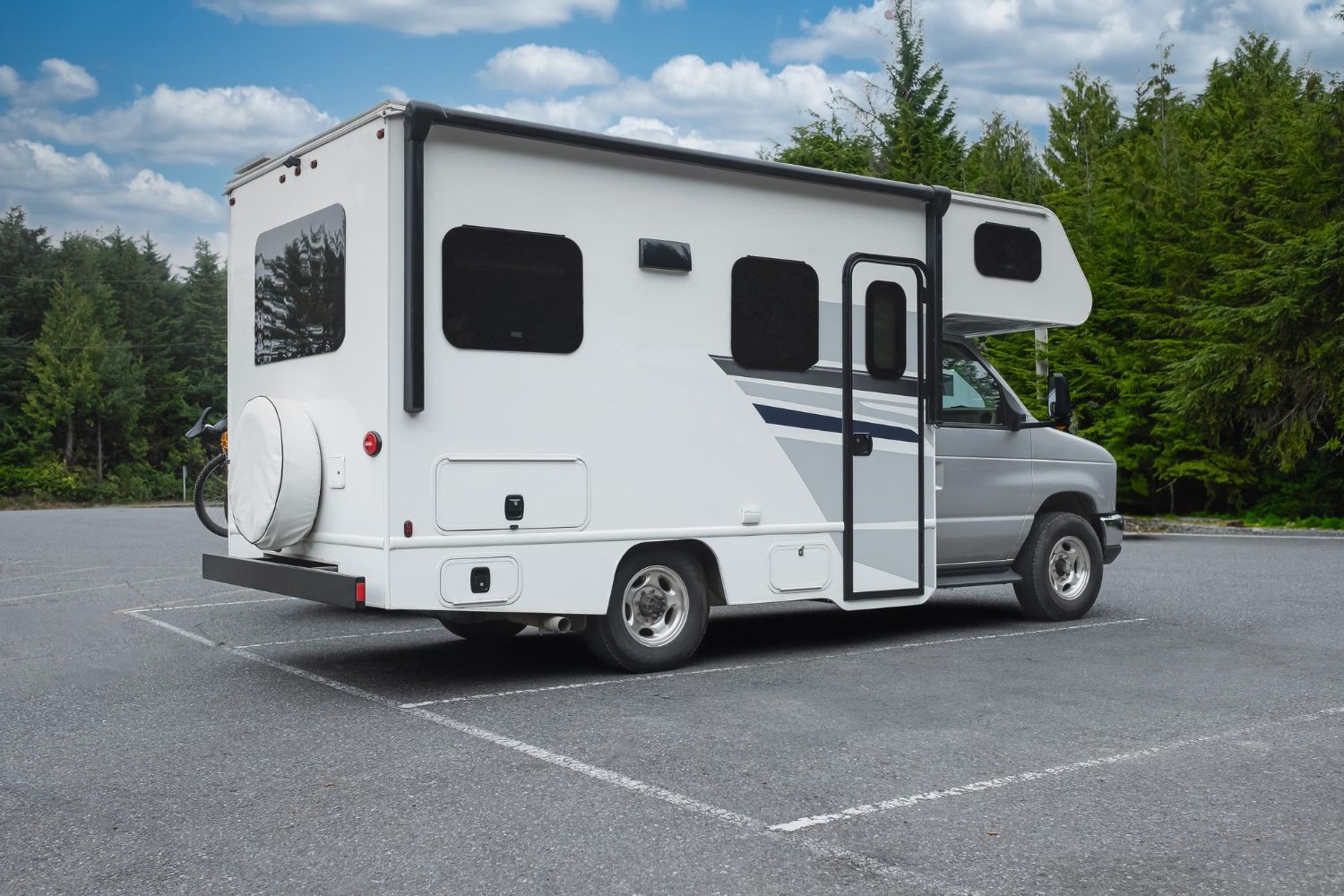
Maintaining a camper isn't just about aesthetics; it’s about ensuring safety and extending the life of your investment. One often-overlooked aspect of camper care is caulking maintenance, which plays a crucial role in shielding your vehicle from the elements. Let’s delve into why regular caulking is vital and how it benefits every camper enthusiast.
Understanding Caulking in Campers
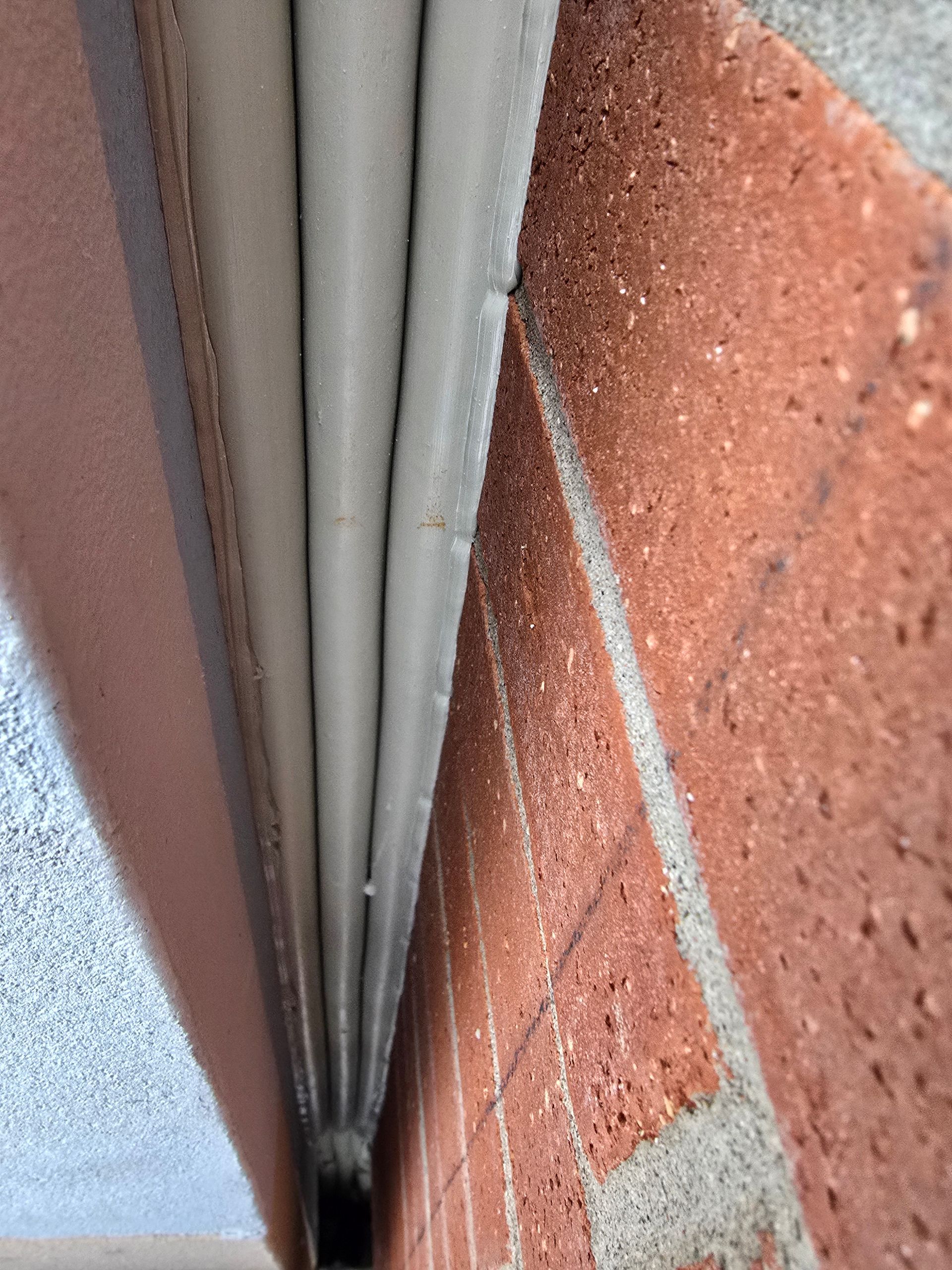
Caulking serves as a protective barrier that seals gaps and joints in your camper. This barrier prevents water, dust, and pests from infiltrating your vehicle. The caulking around seams, windows, and doors is especially important as these areas are most prone to leaks over time.
Why Regular Maintenance Matters
Prevention of Water Damage
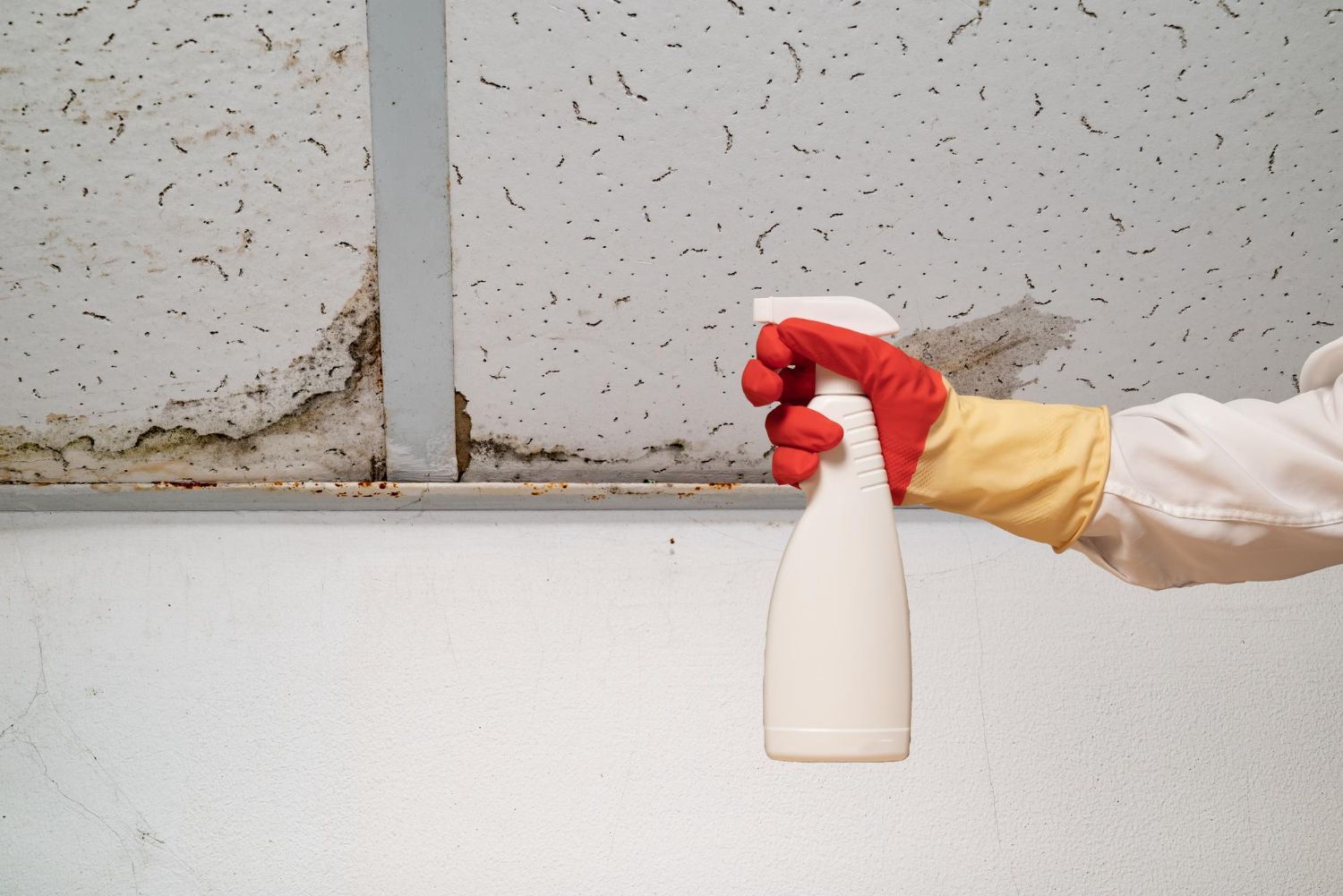
Water is the unseen enemy of any camper. Even a small leak can lead to significant water damage, promoting mold growth, wood rot, and structural weakness. Regular caulking maintenance prevents these issues, ensuring that your camper remains dry and secure.
Enhancing Durability
High-quality caulking enhances the durability of your camper by safeguarding against the wear and tear inflicted by harsh weather conditions. By maintaining your caulk seals, you prolong the life of your camper’s components, reducing the need for costly repairs.
Improving Energy Efficiency
Proper caulking helps in maintaining a stable interior climate. Whether you're camping in the heat or cold, a well-sealed camper minimizes energy loss, keeping your air conditioning or heating system running efficiently.
Key Areas to Focus On
Understanding where to apply caulking is as important as knowing when to reapply it. Focus on these critical areas:
- Roof Seams: These are heavily exposed to rain and snow, making them prime spots for leaks. Regular inspection and maintenance here are necessary.
- Windows and Doors: Ensure these are tightly sealed to prevent water and air infiltration, enhancing insulation and comfort.
- Vents and Hatches: These require sturdy seals to prevent drafts and leaks, especially during travel.
Choosing the Right Caulking Materials
Not all caulk is created equal, and selecting the right type is essential. For campers, flexibility and weather resistance are key. Silicone-based caulks are popular due to their durability and flexibility, while polyurethane variants provide excellent adhesion and are UV resistant.
How Often Should You Perform Maintenance?
Regular maintenance is situational but generally, it’s advisable to inspect your caulking every six months. This allows you to catch potential problems early, especially after exposing your camper to extreme weather. Look for signs of wear, such as cracking or peeling, and reapply caulk as needed.
Tips for Effective Caulking
- Clean the Surface: Before applying new caulk, remove any old, peeling material. Clean the surface thoroughly to ensure the new application adheres properly.
- Smooth Application: Use a caulking gun for a more even application. Press the caulk into place with a caulking tool or your finger to ensure it fills the gap completely.
- Allow Time to Cure: Different caulking materials have various curing times. Ensure you give the caulk ample time to dry before exposing it to water.
Secure Your Adventures
Regular caulking maintenance is a simple yet powerful way to ensure your camping adventures are free from unwelcome surprises. By keeping your camper well-sealed, you protect your investment while enjoying peace of mind on the road. For those who prefer professional expertise, Not Just Caulking offers specialized camper caulking services. Our expertise ensures that your vehicle remains in top condition, allowing you to focus on creating memories rather than worrying about leaks.
Reach out to Not Just Caulking to discuss your camper maintenance needs and keep your adventures rolling smoothly.
Share This Blog