5 Signs Your Vinyl Needs Replacing Via Residential Exterior Services
Not Just Caulking • September 8, 2026
Your home exterior acts as the primary shield against the elements, taking a daily beating from wind, rain, and ultraviolet rays. Over time, even the most durable cladding materials begin to show signs of mechanical fatigue and chemical breakdown. Homeowners near the Burlington waterfront know that constant exposure to moisture and temperature swings accelerates this wear, leaving the underlying framing vulnerable to expensive water damage. The crew at Not Just Caulking is highly experienced in identifying these subtle failure points before they lead to structural rot.
Recognizing the early warning signs of cladding failure allows you to plan your maintenance proactively rather than reacting to a sudden interior leak. Upgrading your property through our Residential Exterior Services guarantees that your building envelope remains watertight and visually appealing. We focus on proper installation techniques that allow materials to expand and contract naturally, extending the lifespan of your entire house.
In This Article:
- Tip 1: Chalking and Color Fading
- Tip 2: Warped or Buckling Panels
- Tip 3: Hidden Moisture and Rot
- Tip 4: Increased Energy Bills
- Tip 5: Cracking During Temperature Shifts
- Frequently Asked Questions
- Securing Your Home Exterior
Tip 1: Chalking and Color Fading
Ultraviolet radiation physically breaks down the chemical bonds in older exterior plastics and paints. When you wipe your hand across the surface and come away with a fine white powder, the material is actively degrading.
- Surface Oxidation: Chalking indicates the protective weather layer has failed entirely.
- Loss of Flexibility: Faded panels are highly brittle and prone to shattering upon impact.
- Aesthetic Decline: Patching heavily faded sections is impossible because new materials will never match the bleached color.
Tip 2: Warped or Buckling Panels
Cladding materials must be installed with room to move as the temperature changes throughout the day. If previous installers nailed the panels too tightly against the wall, the material will buckle outward when it gets warm.
- Fastener Failure: Tight nails restrict natural thermal expansion and cause physical warping.
- Wind Vulnerability: Buckled sections catch the wind easily, risking a total panel blowout during a storm.
- Water Traps: Wavy panels create large gaps where rain easily blows upward and behind the weather barrier.
Tip 3: Hidden Moisture and Rot
The most dangerous signs of exterior failure often hide just out of sight beneath the surface. If you notice soft spots on your interior drywall or peeling paint on your window sills, water is already bypassing your primary defense.
- Structural Sponginess: Pushing on the exterior wall should feel rock solid, never soft or yielding.
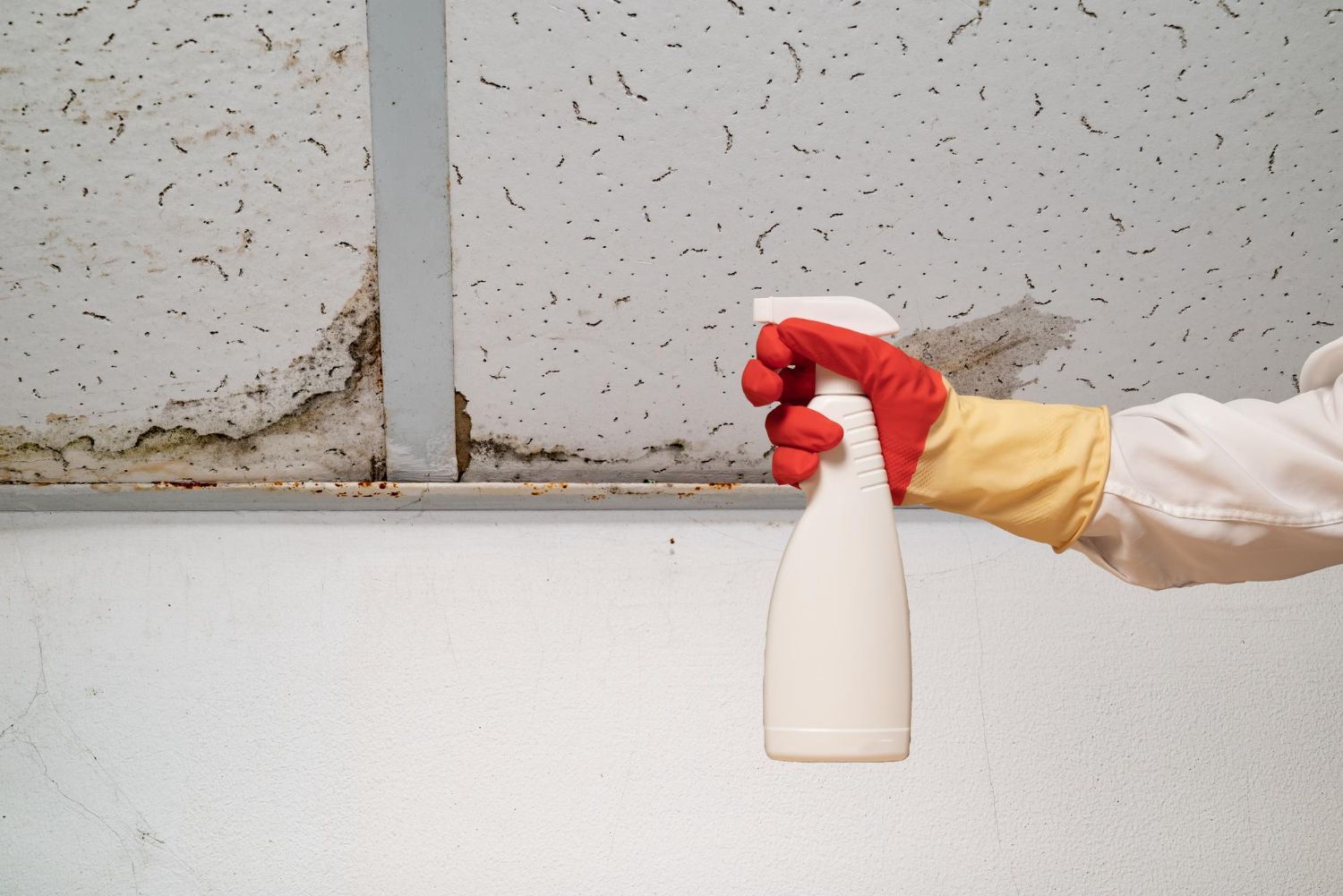
- Fungal Growth: Green or black spots near the foundation line indicate chronic dampness trapped behind the panels.
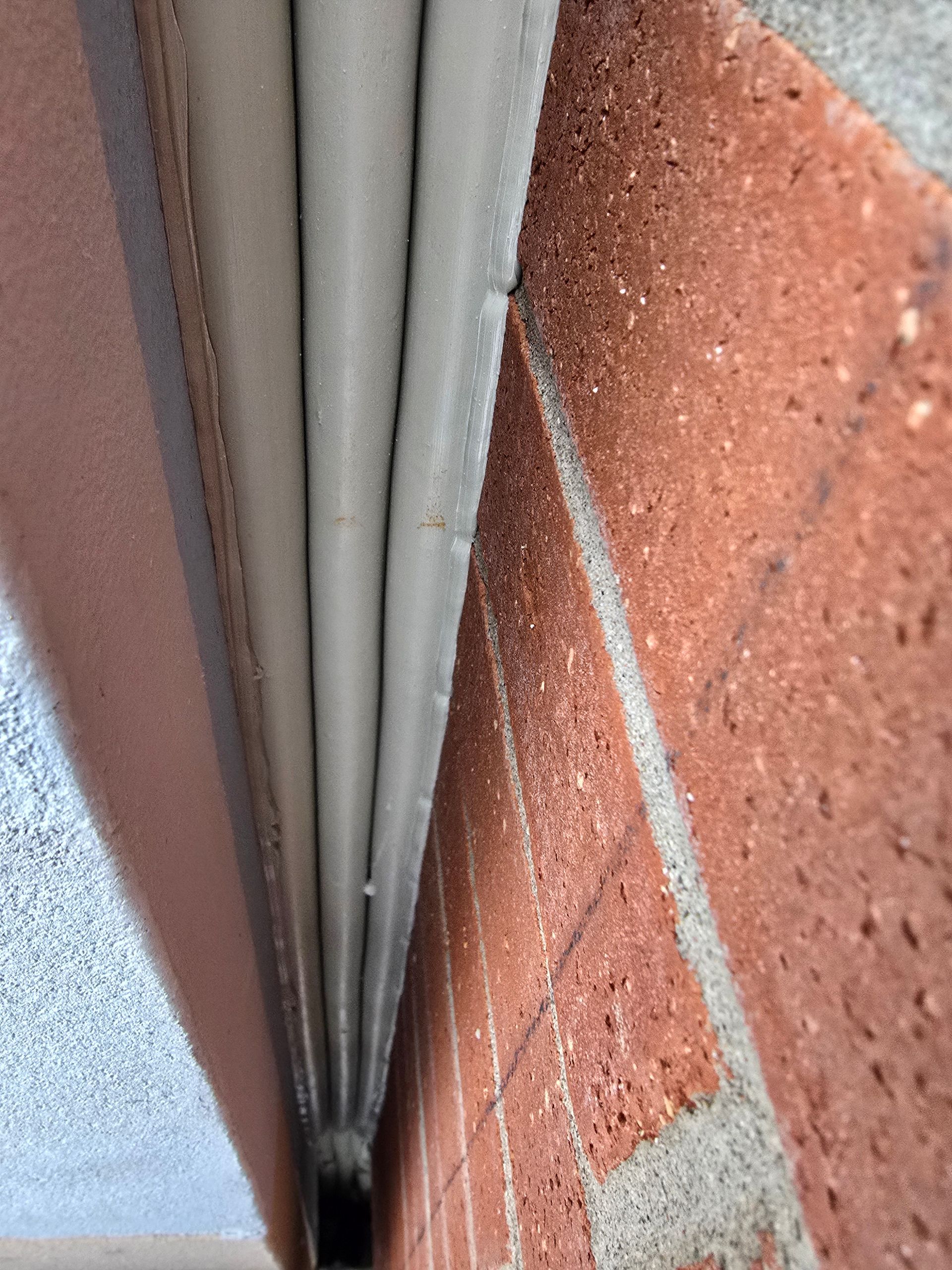
- Failing Seals: Deteriorating Window and Door Caulking allows moisture to rot the wood framing from the inside out.
It is a pattern the team at Not Just Caulking hears regularly from homeowners looking to secure their properties.
►Client Experience: Kathy in Whitby shared “We had Matthew and his crew do our exterior caulking. We are very pleased and will recommend him to anyone.”
Kathy in Whitby understands the massive difference that professional sealing and exterior care makes in protecting a home.
Tip 4: Increased Energy Bills
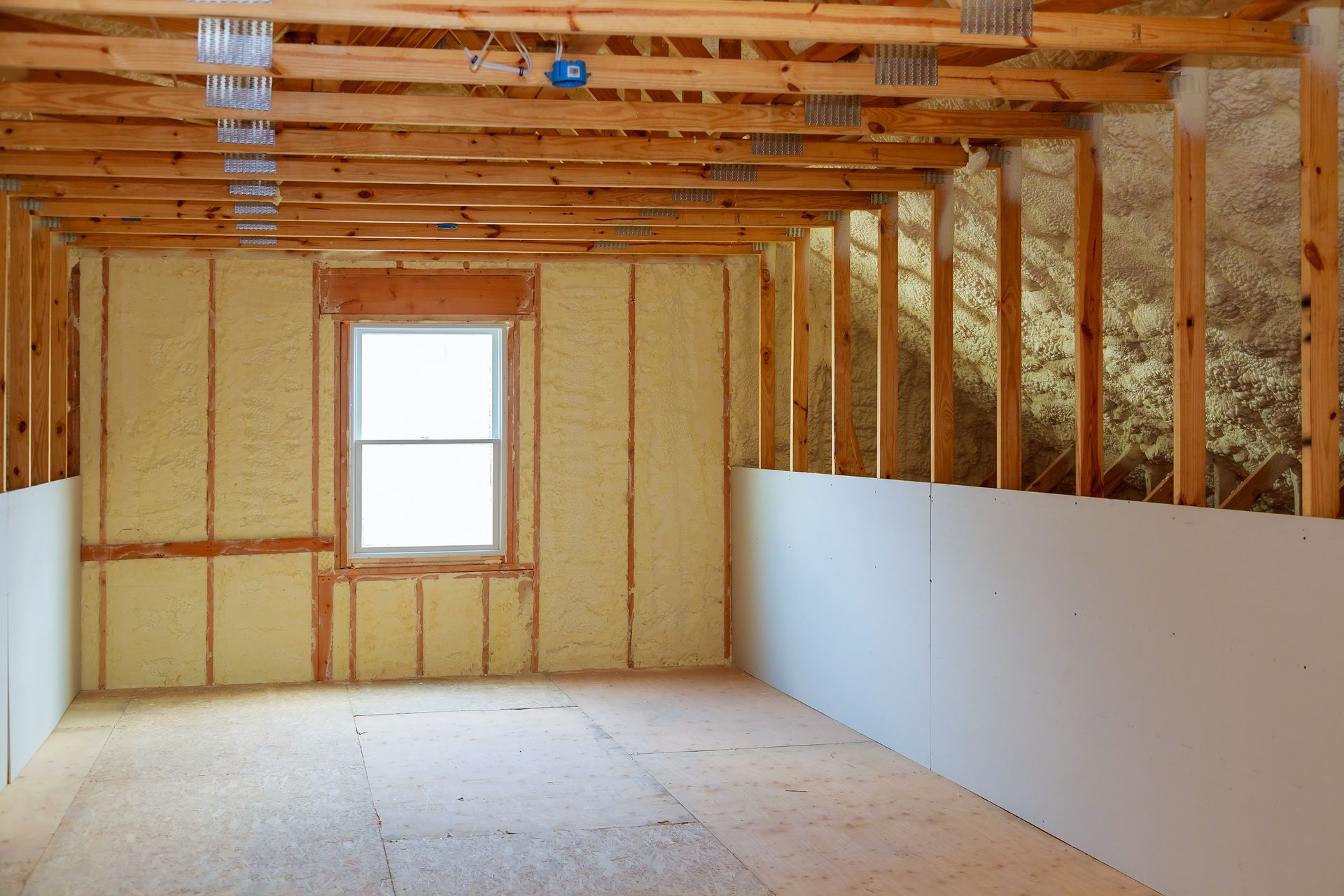
Your exterior cladding works together with your wall insulation to keep your indoor climate stable. When panels separate or crack, outside air freely flushes through the wall cavity, forcing your heating and cooling systems to work overtime.
- Drafty Outlets: Feeling cold air coming through electrical sockets points to a breached exterior envelope.
- HVAC Strain: A sudden spike in utility costs often correlates directly with aging exterior materials losing their insulative value.
- Thermal Bridging: Missing foam backing on older installations allows heat to escape directly through the wall studs.
Tip 5: Cracking During Temperature Shifts
As materials lose their plasticizers over years of sun exposure, they lose the ability to flex. A stray baseball or a heavy piece of hail that would normally bounce off will instead punch a clean hole right through an aging panel.
- Impact Damage: Brittle siding cracks easily under minor physical stress.
- Freeze Stress: Trapped moisture behind a cracked panel will freeze, expanding and destroying the surrounding boards.
- Pest Entry: Even a small hole provides enough access for insects and rodents to nest in your insulation.
Frequently Asked Questions
How long does vinyl siding actually last?
Most builder grade installations begin to show significant degradation after fifteen to twenty years of constant sun exposure. High quality materials installed with proper expansion gaps can last longer, but the chemical breakdown of the plastic is inevitable. Regular inspections help determine if the material has become too brittle to protect the house.
Can I just paint over faded panels?
Painting over heavily oxidized plastic is a temporary bandage that often peels within a single year. Standard exterior paints cannot bond to the chalky residue, and dark colors will actually absorb more heat, causing the old panels to warp aggressively. Full replacement is the only structurally sound solution for failing material.
Does new siding improve home energy efficiency?
Modern exterior installations often feature insulated foam backing that creates a thermal break across your wall studs. This dramatically reduces heat transfer, keeping your home warmer in the winter and cooler in the summer. Combined with properly taped house wrap, a new exterior stops energy wasting drafts at the source.
Securing Your Home Exterior
Protecting your investment starts with a keen eye and a willingness to address wear and tear before it escalates. We provide honest assessments and high quality installation methods that stand up to the toughest local elements. Contact us today to evaluate your current exterior and discuss the best path forward for your property.
Share This Blog