Window and Door Sealing: The Critical Ontario Deadline for Keeping Out Leaks
Not Just Caulking • September 22, 2026
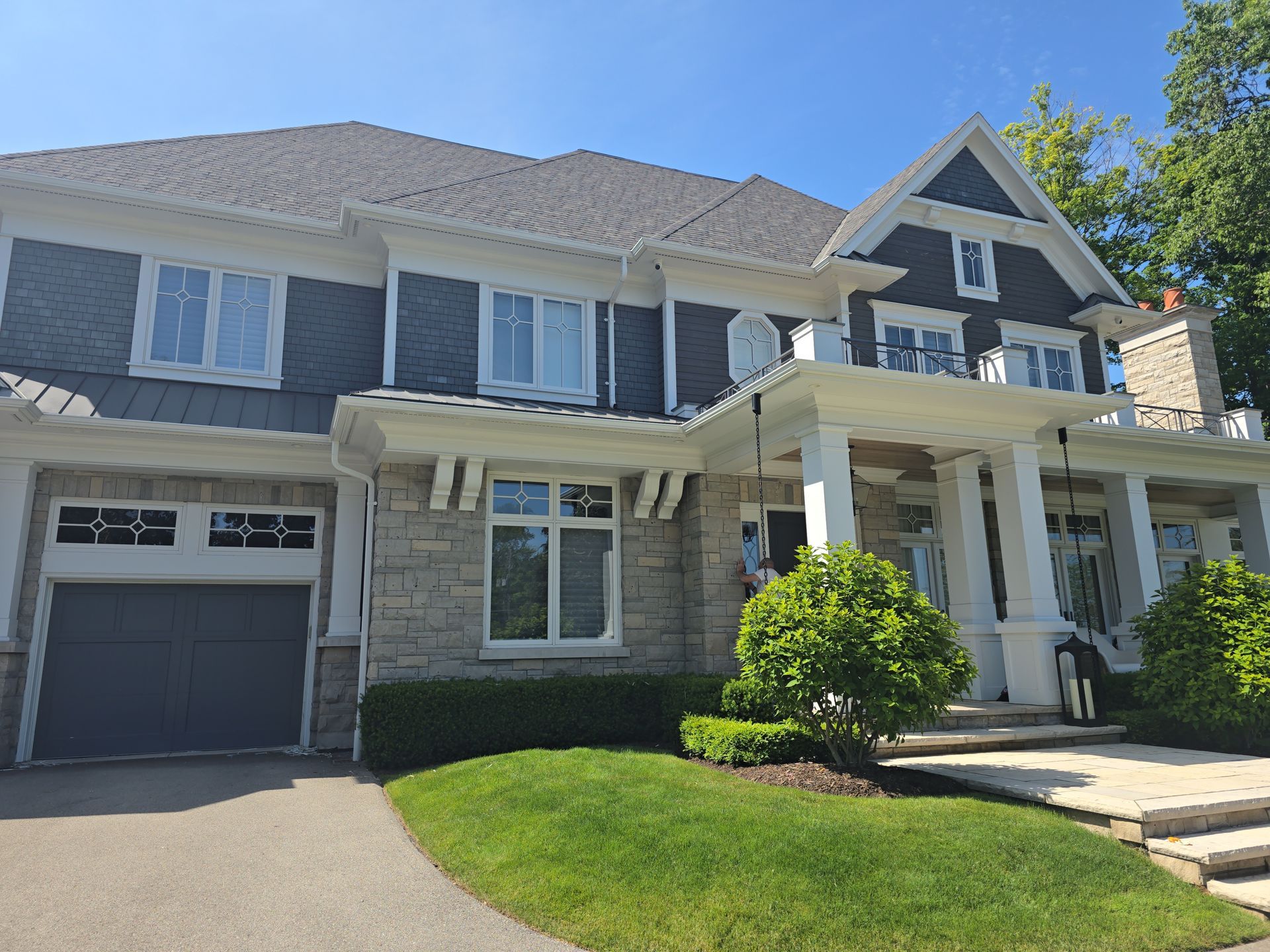
Ignoring the small drafts around your exterior frames is a gamble that always ends up costing property owners money. When the temperature drops rapidly, the materials making up your home physically contract, pulling old sealants away from the brick and siding. For residents in Oakville, the driving autumn rains and subsequent winter freezes turn these tiny gaps into massive moisture highways right into the wall cavity. Not Just Caulking specializes in securing these vulnerable junctions before the harsh weather locks in for the season.
Timing is absolutely critical when dealing with exterior maintenance. Liquid sealants require specific temperature ranges to cure correctly, meaning the window of opportunity closes fast as the cold weather approaches. Utilizing our Residential Caulking and Painting Services now ensures your building envelope is completely watertight, reducing your heating bills and protecting your interior drywall from hidden water damage.
In This Article:
- Stage 1: Assess
- Stage 2: Schedule
- Stage 3: Protect
- Frequently Asked Questions
- Locking Down Your Exterior
Stage 1: Assess
The first step is conducting a thorough visual and physical inspection of every opening on your ground floor and upper levels. You are looking for signs of mechanical failure where the old material has dried out and separated from the frame.
- Visual Gaps: Check for areas where the sealant has cracked, shrunk, or completely fallen out, leaving the rough framing exposed.
- The Draft Test: On a windy day, run your hand slowly around the interior casing of your windows to feel for cold air pushing through.
- Moisture Stains: Look for peeling paint or dark water marks on the interior drywall directly beneath the window sills.
Stage 2: Schedule
Once you identify the failing areas, locking in a professional crew immediately is vital. Exterior tradesmen book up rapidly in the fall, and waiting until the first snowstorm hits guarantees you will be living with drafts until spring.
- Call for Quotes: Reach out to a specialized contractor to get an accurate measurement of linear footage required for the job.
- Check Weather Windows: Understand that crews need dry days with moderate temperatures to ensure the new materials bond correctly to the substrate.
- Clear the Perimeter: Move patio furniture, planters, and heavy items away from the foundation so the team has clear access for ladders and staging.
This is exactly why property owners appreciate contractors who communicate clearly and arrive promptly when the weather allows.
►Client Experience: karenyee888 shared “Matthew answered all my questions and came the following day to see how his team was doing.”
karenyee888 points out the dedication required to manage projects efficiently and keep clients informed every step of the way.
Stage 3: Protect
After the new material is applied, it needs a brief period of time to cure and form a permanent, weather resistant skin. Taking a few simple precautions ensures the bond remains strong for years to come.
- Avoid Power Washing: Do not spray high pressure water directly at the fresh joints for at least two weeks while the material fully sets.
- Monitor Condensation: Keep an eye on the interior glass during the first cold snap to ensure the new exterior seal has stopped the thermal transfer.
- Routine Checks: Make a habit of walking the perimeter of your house twice a year to inspect the joints for any settling or physical damage.
► Ignoring separated window joints in the fall guarantees that freezing water will expand inside your walls and destroy the wooden framing by spring.
Frequently Asked Questions
How do you prepare the surface before applying new material?
Applying fresh sealant directly over old, peeling material is a massive trade error that guarantees premature failure. A professional crew meticulously cuts out the degraded caulk and cleans the brick and vinyl surfaces to remove all dirt and oily residues. This strict preparation creates a porous, clean substrate that allows the new product to achieve maximum chemical adhesion.
Can you apply caulking in freezing temperatures?
Standard exterior sealants struggle to cure when the temperature drops below freezing, often remaining tacky and vulnerable to moisture. While there are specialized low temperature products available, the cold surfaces of the house itself can cause condensation that prevents a proper bond. This is exactly why completing exterior sealing work before the deep freeze arrives is an absolute necessity.
Why is the old caulking turning black?
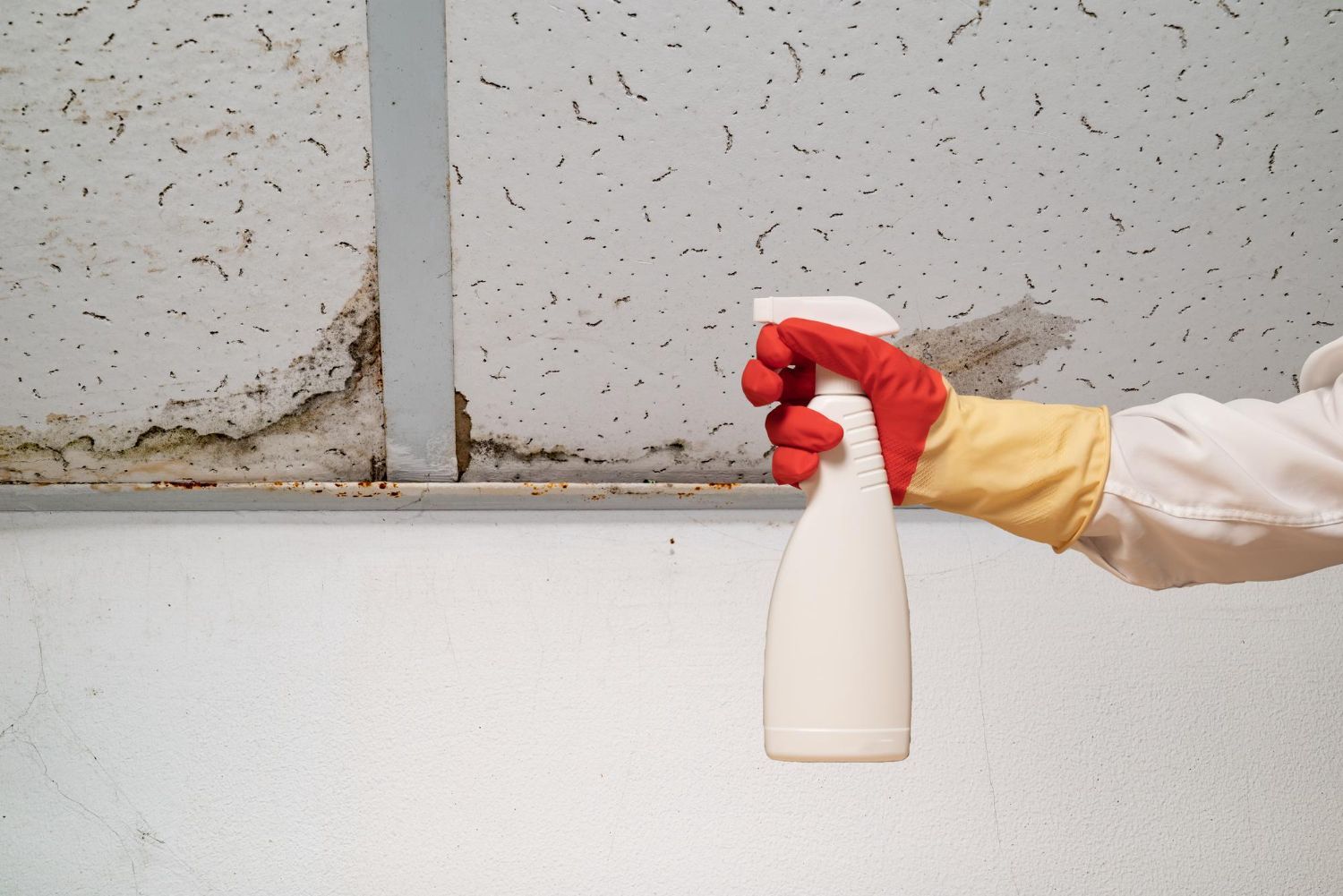
Black spots on your exterior joints indicate deep rooted mold and mildew growth feeding on the organic materials trapped in the old sealant. This usually happens when cheap, non-waterproof products are used or when water is allowed to pool on a horizontal sill. Professional grade exterior materials contain powerful biocides that actively resist fungal growth and keep the joints looking clean.
Locking Down Your Exterior
Securing your building envelope is a time sensitive task that dictates how comfortably your house will perform through the winter. We use the highest quality materials and proven application methods to stop leaks permanently. Reach out to our team today to get your property sealed tight before the cold weather sets in.
Share This Blog