Why Every Ontario Home Needs Insulation Upgrades Before the First Frost Hits
Not Just Caulking • October 20, 2026
Keeping your house warm through a brutal winter requires more than just a hardworking furnace. Without a proper thermal boundary, you are essentially paying to heat the neighborhood while your family shivers inside. The crew at Not Just Caulking constantly fields emergency calls in late November from homeowners dealing with freezing walls and massive condensation issues. Protecting your home requires proactive defense rather than reactive panic.
Through our residential interior services, we help families lock in their heat and block out the bitter cold. Upgrading your insulation is a highly technical process that demands specific aftercare and ongoing maintenance to remain effective over the years. By understanding how to manage your home environment after an upgrade, you protect your investment and maintain a comfortable, efficient living space all winter long.
In This Article:
- Immediate Post Installation Care
- Ongoing Thermal Maintenance Habits
- Where Do Insulation Upgrades Typically Fail First?
- Avoiding Common Maintenance Mistakes
- Securing Your Comfort
Immediate Post Installation Care
Once your new insulation and drywall are in place, your home will handle moisture and airflow very differently. A tighter building envelope means stale air and humidity cannot escape as easily through the walls.
- Ventilation Check: Ensure all bathroom exhaust fans and range hoods are actively venting outside rather than dumping humid air into your newly insulated attic.
- Monitor Humidity: Purchase an inexpensive hygrometer to track indoor moisture levels, aiming to keep your home between thirty and fifty percent humidity.
- Inspect Attic Baffles: Verify that the roof vents and soffit baffles remain clear of insulation so fresh air can circulate under the roof deck.
Ongoing Thermal Maintenance Habits
Maintaining the efficiency of your Mississauga home requires regular seasonal checks. Insulation can settle or be disturbed, which instantly creates cold spots and thermal bridging.
- Draft Testing: Walk around your exterior walls and baseboards on a windy day to feel for any remaining air leaks that need secondary sealing.
- Access Hatch Seals: Check the weatherstripping around your attic access door or basement crawlspace, as these hatches are notorious for breaking the thermal boundary.
- Pest Deterrence: Keep tree branches trimmed away from your roof to prevent rodents from accessing your attic and destroying your fiberglass batts.
Where Do Insulation Upgrades Typically Fail First?
Many people assume insulation lasts forever without any intervention. However, insulation degrades rapidly if it gets wet or compressed. The most common point of failure is around recessed lighting fixtures and plumbing stacks that penetrate the ceiling. If these gaps are not meticulously sealed with expanding foam before the insulation is laid down, warm interior air rises, hits the freezing roof deck, and rains condensation back down onto your new drywall.
Avoiding Common Maintenance Mistakes
Homeowners often accidentally undo the benefits of their insulation upgrades through simple DIY errors. Understanding what to avoid is just as important as knowing what to do.
- Crushing Batts: Never store heavy boxes or holiday decorations directly on top of your attic floor insulation, as compressing the material destroys its insulating value.
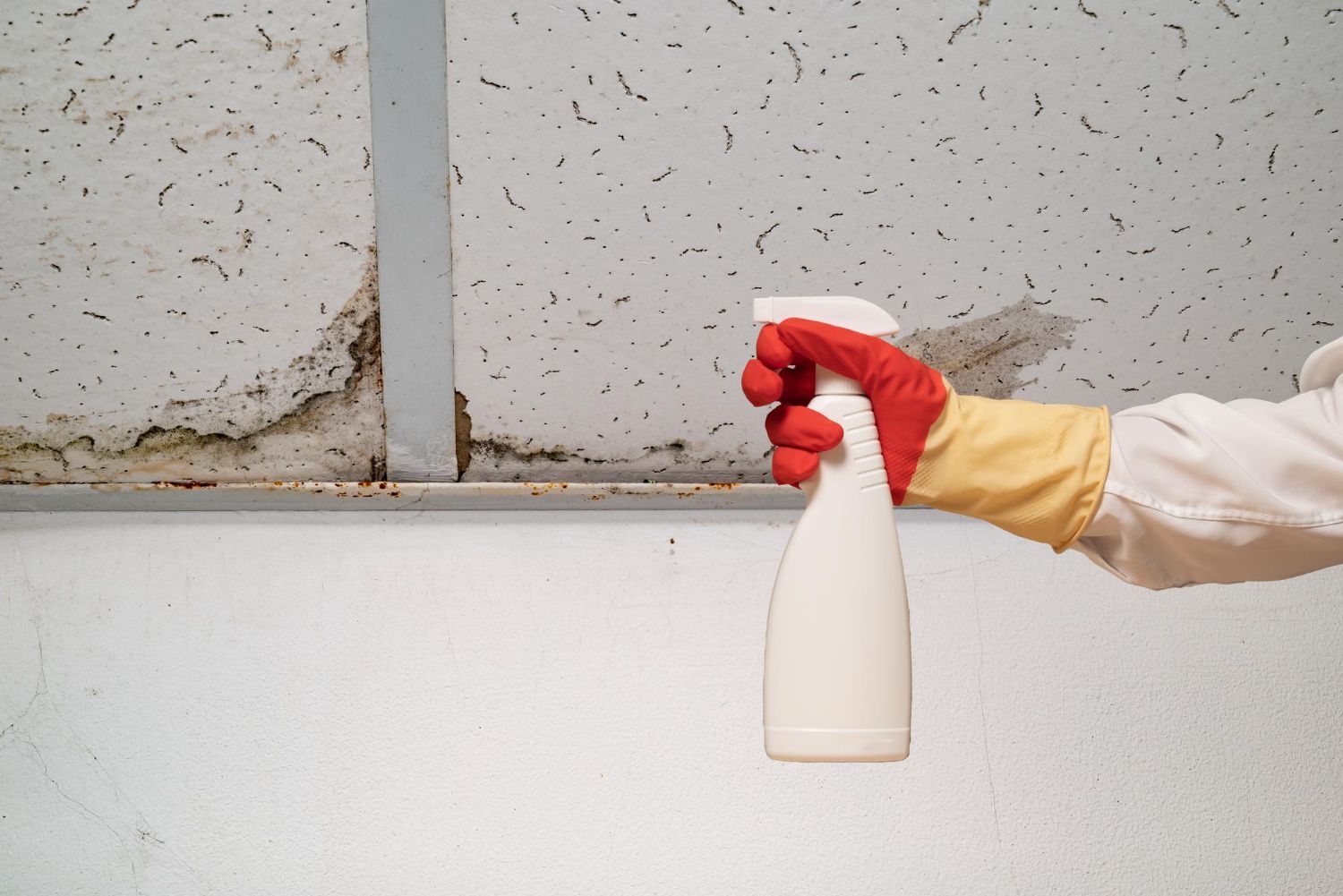
- Blocking Airflow: Avoid pushing furniture tight against poorly insulated exterior walls, which traps cold air and promotes rapid mold growth.
- Ignoring Leaks: Never delay fixing a minor roof drip, because wet insulation permanently loses its ability to hold heat even after it dries out.
►Water is the absolute worst enemy of thermal insulation, turning fluffy barriers into useless, sagging clumps.
Securing Your Comfort
A warm, energy efficient house is the result of quality materials and attentive homeowner maintenance. By monitoring your humidity and protecting your thermal barriers from damage, you guarantee a cozy environment regardless of the weather outside. Reach out to our interior experts today to schedule your insulation assessment before the freezing temperatures arrive.
Share This Blog