7 Hidden Gaps Sealed By Residential Caulking & Painting Services
Not Just Caulking • October 6, 2026
The changing seasons in Ontario put massive stress on your home exterior. As temperatures shift, structural materials expand and contract, opening up tiny vulnerabilities that allow wind and water to bypass your defenses. At Not Just Caulking, we constantly find property owners battling high utility bills and cold drafts because they only look at the obvious window seams. Real weather protection requires a deeper understanding of how modern building envelopes function and fail.
Addressing these invisible breaches is exactly what our residential caulking & painting services are designed to do. Finding and sealing these forgotten areas stops moisture rot before it requires major structural repairs. Before you lock in a contractor for your next exterior update, it helps to understand where these hidden gaps live and what questions to ask your service provider. This knowledge ensures you get a true weather seal rather than just a cosmetic touch up.
In This Article:
- Red Flags To Watch For In An Exterior Contractor
- The Top Hidden Areas Requiring Protection
- Where Are The Most Common Hidden Air Leaks In A House?
- Crucial Questions To Ask Before Hiring
- Securing Your Home
Red Flags To Watch For In An Exterior Contractor
Protecting your home requires precise material knowledge and proper application techniques. When evaluating companies for residential exterior services, you must watch for a few specific warning signs. A contractor who rushes the initial inspection often misses the structural nuances of your property.
- Rapid Estimates: Be wary of quotes provided without a physical walk around your house to inspect the foundation lines and upper trim.
- Generic Materials: Run away if a provider plans to use the exact same standard latex caulk for both brick joints and vinyl siding.
- Skipping Preparation: Any professional should clearly explain how they intend to clean out the old, degraded sealant before applying the new barrier.
The Top Hidden Areas Requiring Protection
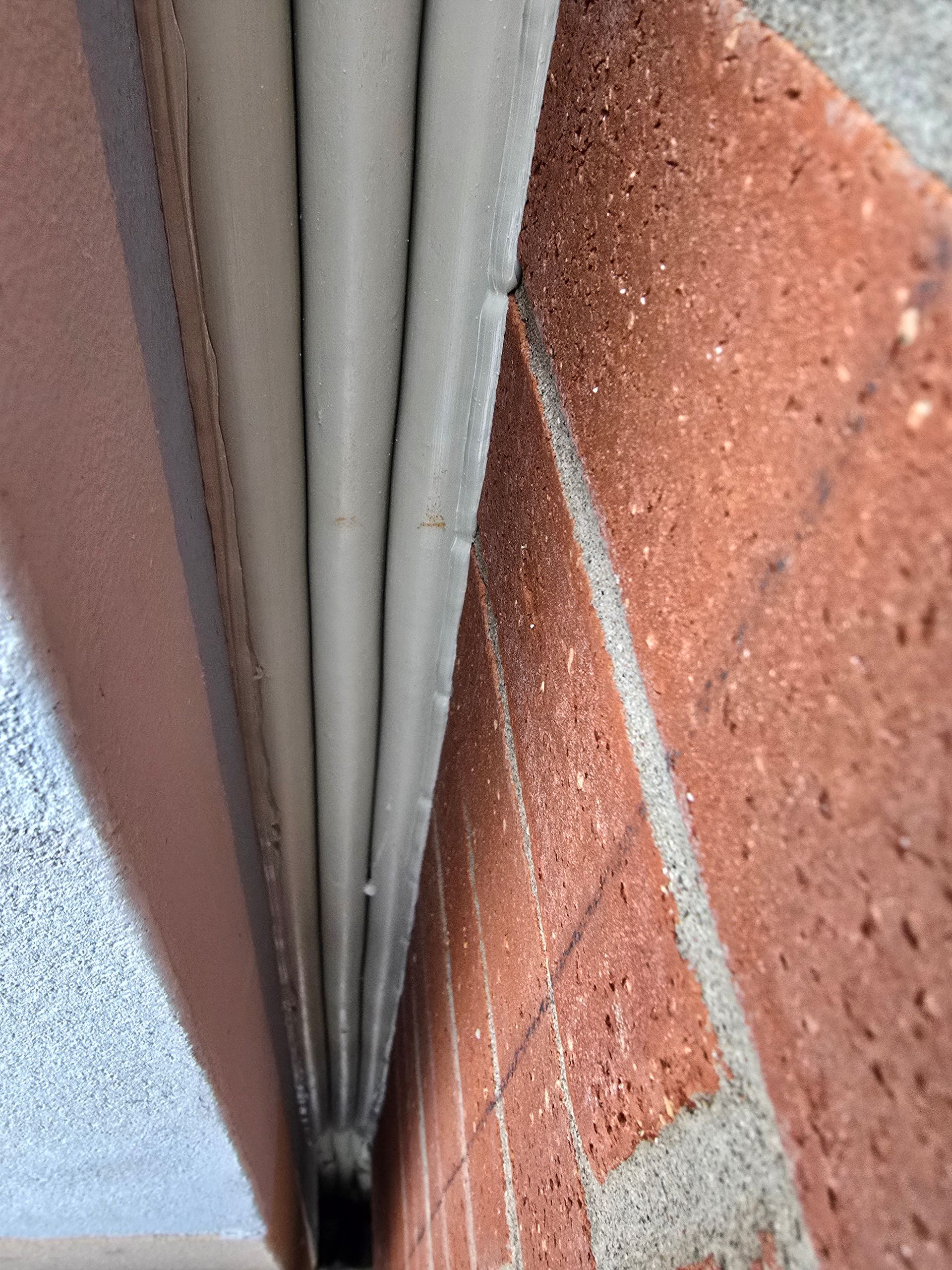
Most homeowners know to check around their front door, but water usually finds more subtle entry points. Proper residential caulking & painting services focus heavily on the junctions where two different building materials meet. These transition zones experience the highest rate of movement and sealant failure.
- Exterior Lighting Blocks: The small gaps behind your porch lights or outdoor outlets are direct tunnels into your wall cavity.
- Siding J Channels: The tracks that hold your siding often pull away from window frames, creating a hidden funnel for rainwater.
- Foundation Sills: The long seam where your concrete foundation meets the wooden framing of your house is notorious for letting in freezing winter air.
It is a pattern the team at Not Just Caulking hears regularly.
►Client Experience: Kathy in Whitby shared, "We had Matthew and his crew do our exterior caulking. We are very pleased and impressed with the work."
A thorough application stops the cold drafts that Kathy and many others deal with every winter.
Where Are The Most Common Hidden Air Leaks In A House?
This is a question we hear from almost every client trying to lower their heating bills. The answer usually lies in the architectural details that sit above your direct line of sight. Roofline edges, soffit returns, and second story fascia boards take the brutal brunt of wind driven rain. Because they are hard to see from the ground, the caulking up there often dries out and cracks long before anyone notices.
- Chimney Flashing: The stepped metal pieces around your brick chimney shift during heavy storms and require flexible, high adhesion sealants.
- Vents And Exhausts: Dryer vents and bathroom fan exhausts cut directly through your exterior walls and need constant monitoring.
- Corner Boards: The vertical trim pieces running down the corners of your house split open as the wood dries, exposing the unprotected siding ends.
Crucial Questions To Ask Before Hiring
A reliable contractor welcomes your questions because it shows you care about the long term results. Before signing any agreement for your Grimsby area home, you need to establish clear expectations about the scope of the sealing work.
- Tooling Methods: Ask how they tool or smooth the caulking joints to ensure proper adhesion to both sides of the gap.
- Weather Constraints: Find out what temperature limits they follow, as applying sealants on freezing or wet surfaces guarantees immediate failure.
- Paint Compatibility: Verify that the caulking they select is fully paintable if you are also scheduling a color update.
Securing Your Home
Locking out the harsh weather requires a proactive approach to your building envelope. By checking these hidden areas and holding your contractors to a high standard, you protect your property from insidious water damage. Reach out to our crew to book a detailed exterior inspection and secure your home properly.
Share This Blog