Winter Condensation vs. Foundation Leaks: Diagnosing Wet Walls
Not Just Caulking • November 10, 2026
Spotting moisture on your drywall during the coldest months of the year is an immediate cause for concern. Most property owners assume they have a failing foundation or a severe roof leak when they see these dark spots appearing. The team at Not Just Caulking knows that diagnosing wet walls requires looking at internal environmental factors just as closely as external breaches. The root cause is often much less dramatic than a structural failure but still requires prompt professional attention.
The difference between a major foundation leak and simple indoor humidity issues comes down to building physics and proper airflow. Treating the wrong problem wastes money and allows the actual issue to rot the wooden framing behind your paint. Getting an accurate assessment saves you from unnecessary excavation or expensive exterior repairs. Let us walk you through the real reasons moisture appears indoors during the winter months.
What you will find below:
- Temperature reactions: The science of winter condensation.
- Structural breaches: Identifying true foundation leaks.
- Professional assessment: How we find the exact moisture source.
- Repair solutions: Fixing the damage safely.
The Science of Winter Condensation
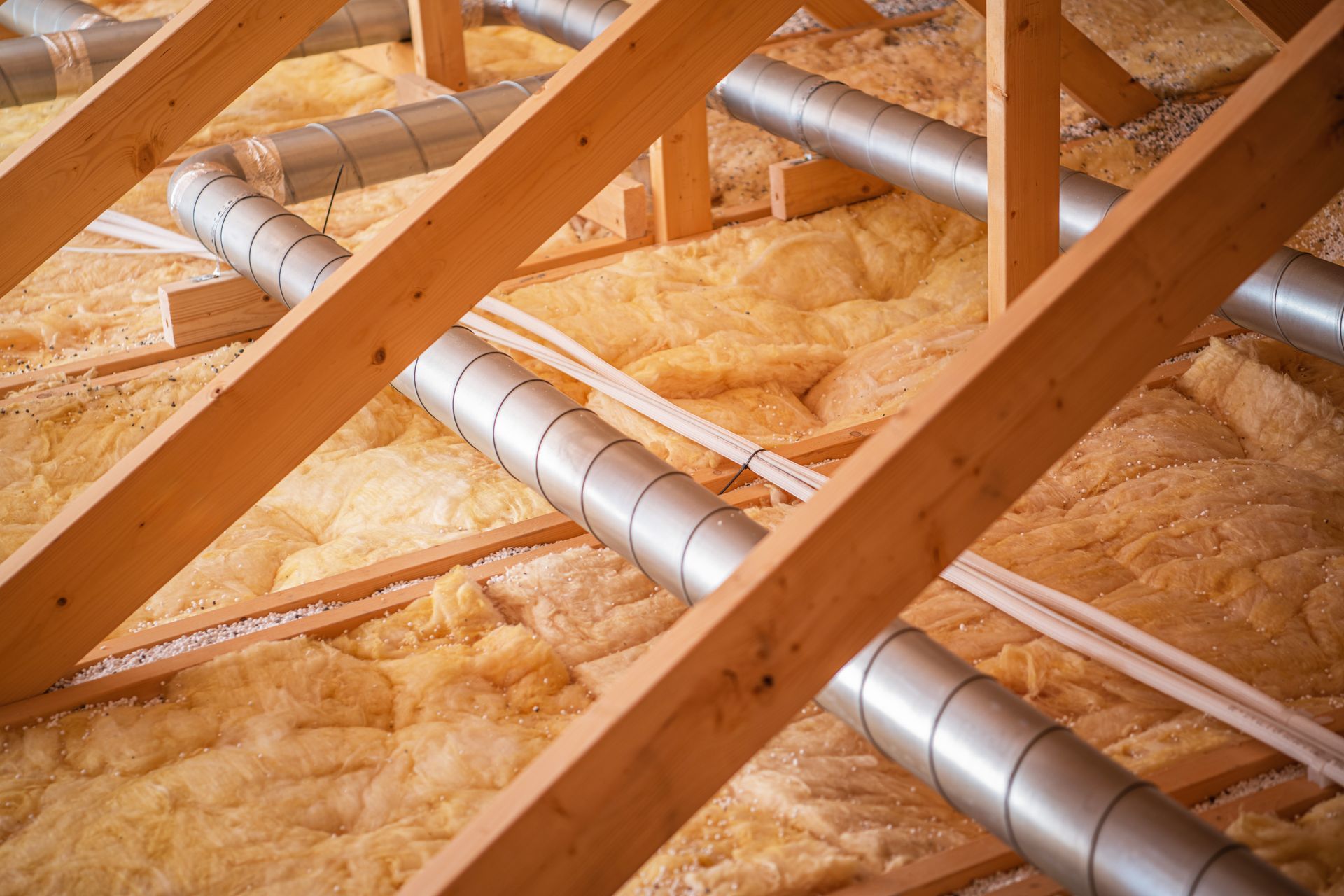
Interior walls often get wet during the winter because warm indoor air collides with cold exterior wall surfaces, causing the ambient humidity to turn into liquid water. A heated house naturally holds a lot of moisture from cooking, bathing, and everyday living. When this humid air touches a poorly insulated exterior wall, it reaches its dew point and forms condensation.
This is exactly why you frequently see moisture gathering in the corners of rooms, behind heavy furniture, or inside tightly packed closets. The air in these areas remains stagnant and cools down rapidly against the exterior framing. This specific type of dampness is an airflow and insulation problem, not a sign that groundwater is breaking through your concrete.
Identifying True Water Intrusion
Active water leaks present very differently than simple condensation. When groundwater forces its way through a cracked foundation due to hydrostatic pressure, the moisture usually originates near the floor line and spreads upward. You may notice a chalky white residue on exposed concrete surfaces, which is left behind when mineral rich water evaporates.
Leaks caused by melting snow or ice damming will typically show up near the ceiling or around the framing of your windows. These spots tend to grow rapidly during a thaw and feel physically saturated to the touch. Knowing these visual cues helps direct the repair strategy toward exterior sealing rather than interior ventilation.
Accurately Diagnosing Wet Walls
Guessing the source of the moisture often leads to expensive mistakes. Our professionals rely on specialized tools to track exactly where the water is coming from and how far it has spread. We use non-destructive moisture meters to measure the dampness inside the drywall without tearing apart your room.
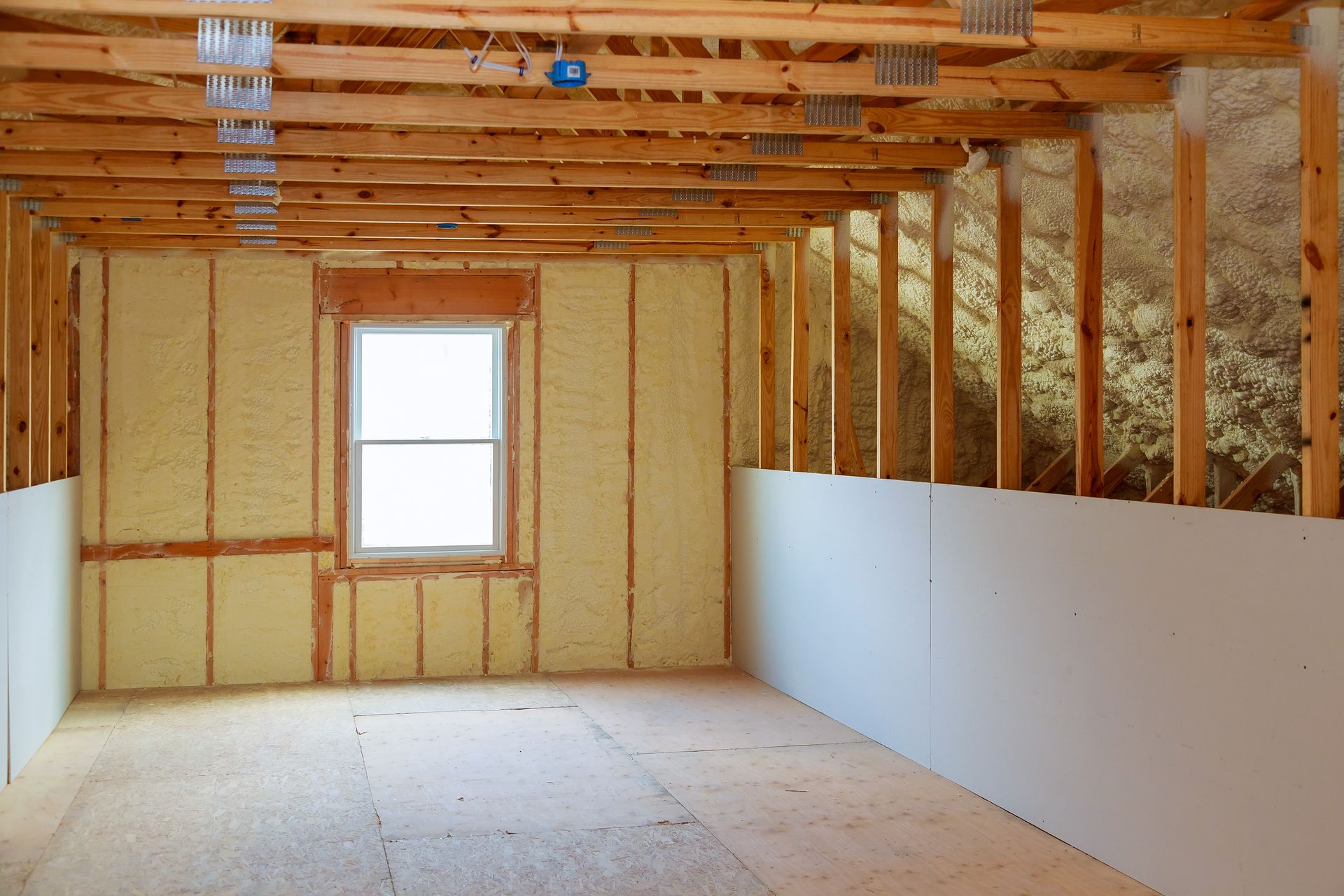
Thermal imaging cameras allow us to see the cold spots behind your paint, revealing missing insulation that might be causing severe condensation. By combining this technology with our hands on trade experience, we pinpoint the exact failure point. This honest approach ensures you only pay for the repairs you actually need.
Protecting Properties in Mississauga
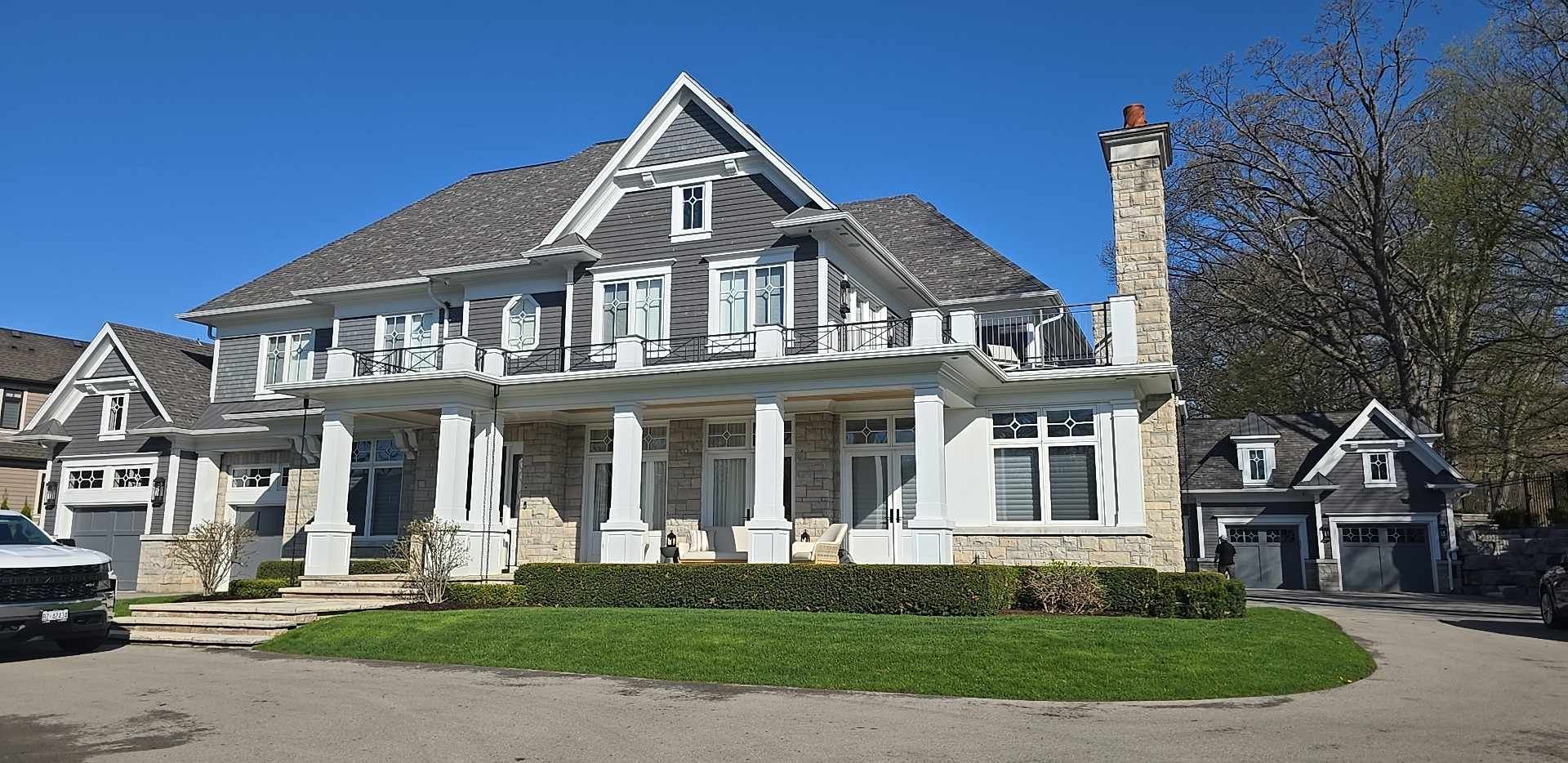
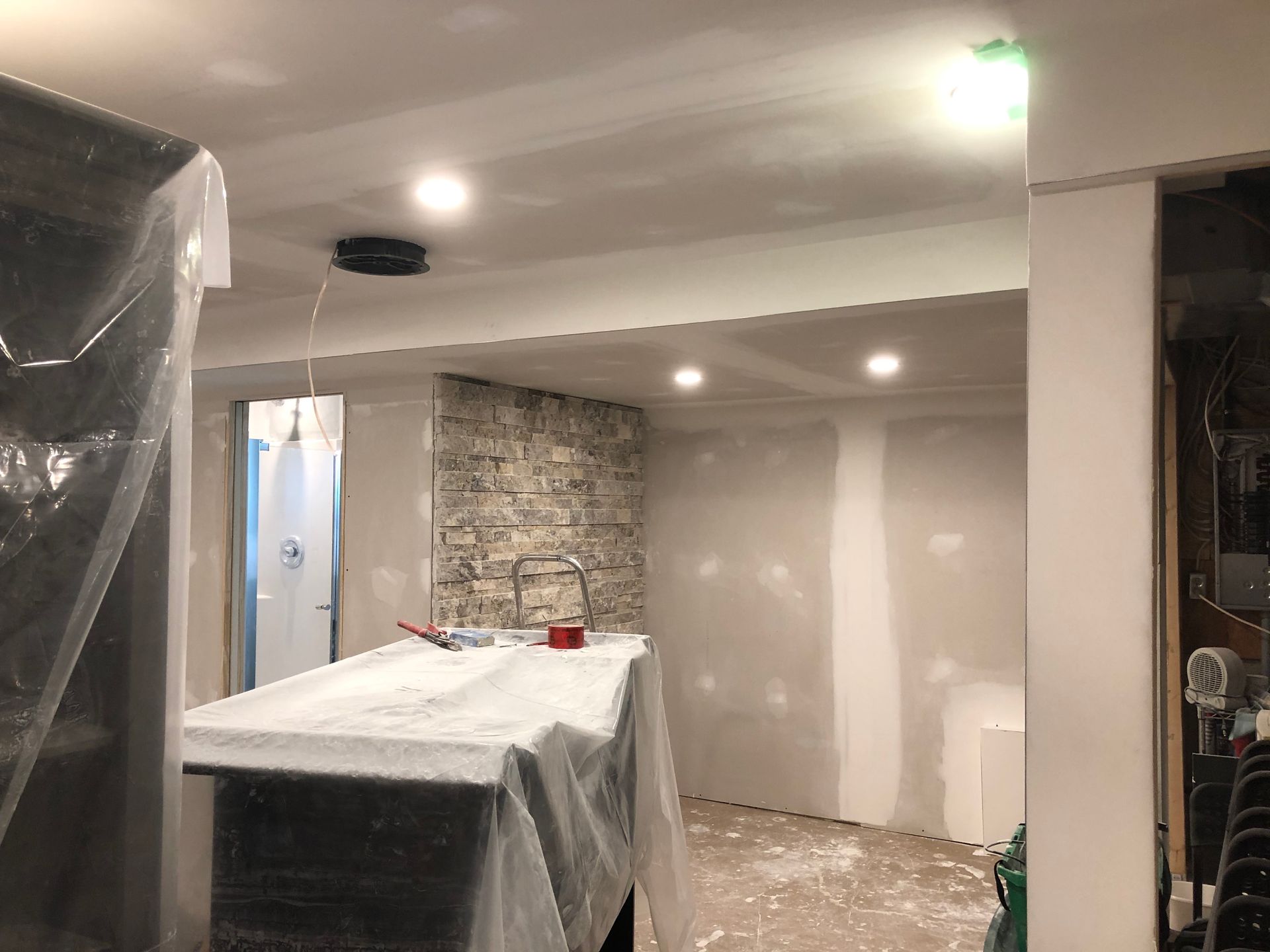
Buildings in Mississauga deal with fluctuating winter temperatures and varying soil conditions that challenge both foundations and interior climate control. Once we determine the exact cause of your moisture problem, we handle the complete restoration process. From targeted Wet Wall Treatment to Expert Drywall Installation, our crew ensures the damaged area is removed, treated, and rebuilt flawlessly.
Securing an Accurate Assessment
Guessing the source of winter moisture only gives mold and rot more time to spread through your framing. Getting a factual evaluation of your property prevents minor condensation issues from turning into major renovation projects. Contact our specialists today to schedule a thorough structural inspection and secure the right repair plan.
Share This Blog