The Crucial Role of Subfloor Leveling for Large Format Tile Projects
Not Just Caulking • November 18, 2026
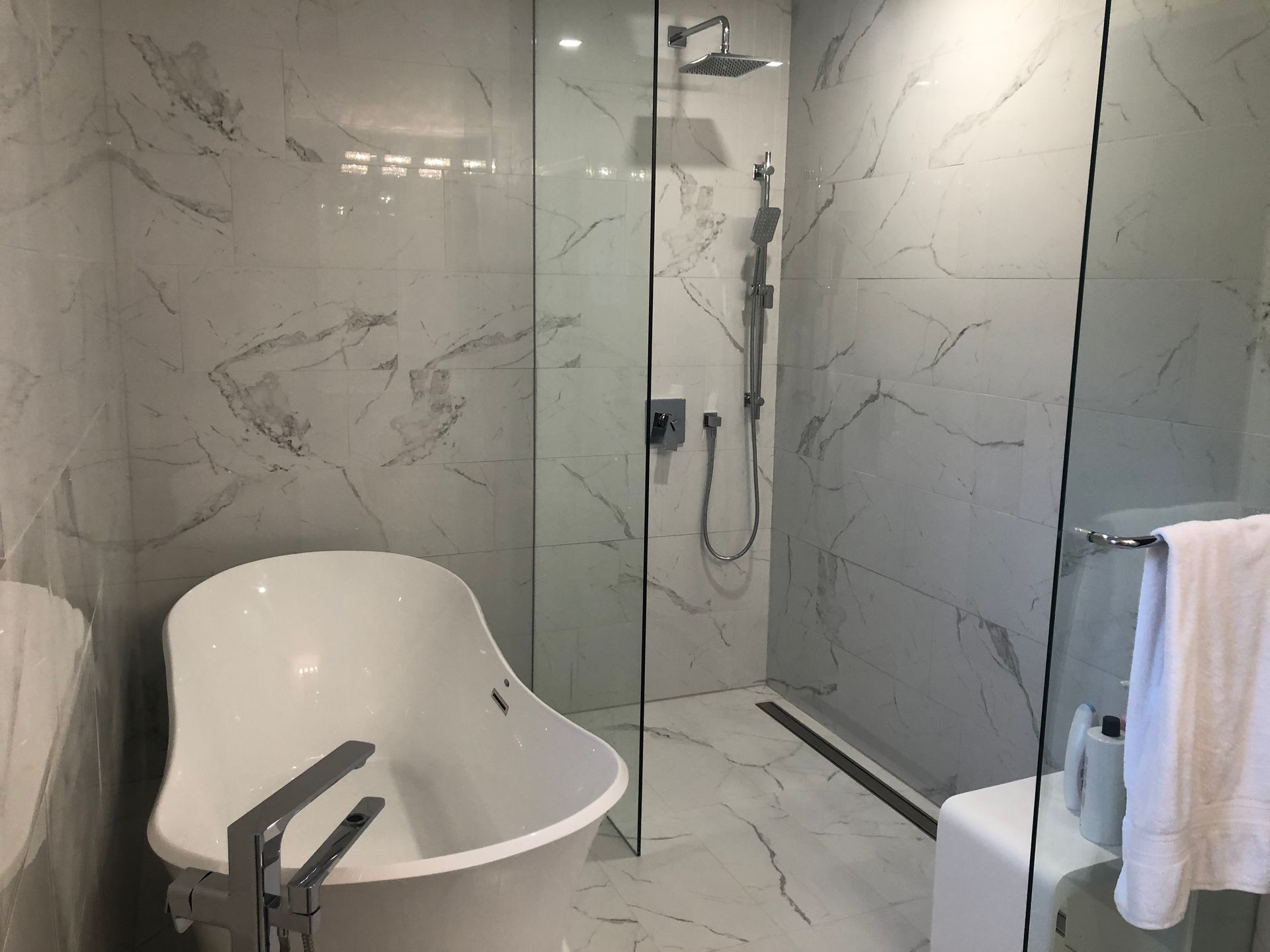
Choosing a perfect oversized tile for your living space is an exciting step in any major home update. The true success of that final finish depends entirely on the hidden structural surface sitting directly beneath it. At Not Just Caulking, we know that skipping the most critical preparation phase guarantees a compromised installation and expensive future repairs. The visual appeal of large modern materials requires a perfectly flat foundation to prevent cracking and uneven edges.
Large ceramic or porcelain materials lack the flexibility to bend over minor dips and bumps in an older floor structure. A poor foundation leads to a frustrating condition called lippage, where the edges of adjacent tiles sit at completely different heights. This creates immediate tripping hazards and ruins the clean aesthetic you invested in. We need to look closely at the necessary steps for proper subfloor preparation for tile before any mortar is ever mixed.
A quick look at our topics:
- Material limits: The rigid reality of oversized tile.
- Surface flatness: Why leveling cannot be skipped.
- Poor preparation: The dangers of floor lippage.
- Final touches: Finishing the room correctly.
The Reality of Oversized Materials
The construction industry defines a large format tile as any piece with a single edge longer than fifteen inches. These substantial pieces are incredibly popular because they require fewer grout lines and make small rooms feel much larger. However, their sheer size makes them incredibly rigid and unforgiving during the installation process.
When you press a large tile into the mortar bed, it needs flat, continuous support across its entire back surface. If there is a hidden dip in the plywood beneath it, the center of the tile will be left unsupported. The moment someone steps heavily on that hollow spot, the material will inevitably crack under the pressure.
Understanding Subfloor Preparation for Tile
A common concern among property owners is whether you absolutely need to level your floor before laying large tiles. The answer is an uncompromising yes, because these heavy materials cannot absorb the imperfections of a wavy subfloor. Industry standards dictate that the floor can have a maximum variance of only one eighth of an inch over a ten foot span.
Achieving this extreme level of flatness requires pouring a self leveling underlayment compound over the existing floor structure. This liquid material seeks its own level and cures into a rock hard, perfectly flat surface. Taking the time to execute this step ensures the mortar can achieve the required ninety five percent coverage rate on the back of every single tile.
The Dangers of Floor Lippage
When leveling is ignored, the installer is forced to use thick blobs of mortar to try and adjust the tile height manually. This desperate technique rarely works and results in lippage. Lippage occurs when the corner of one tile sticks up higher than the tile right next to it.
This uneven finish catches shoes, traps everyday dirt, and leaves the exposed edges vulnerable to chipping when objects are dropped. It also creates harsh, noticeable shadows across your floor when the sunlight hits the room. A perfectly flat subfloor is the only guaranteed way to eliminate this visually disruptive problem.
Long Term Durability in Hamilton Homes
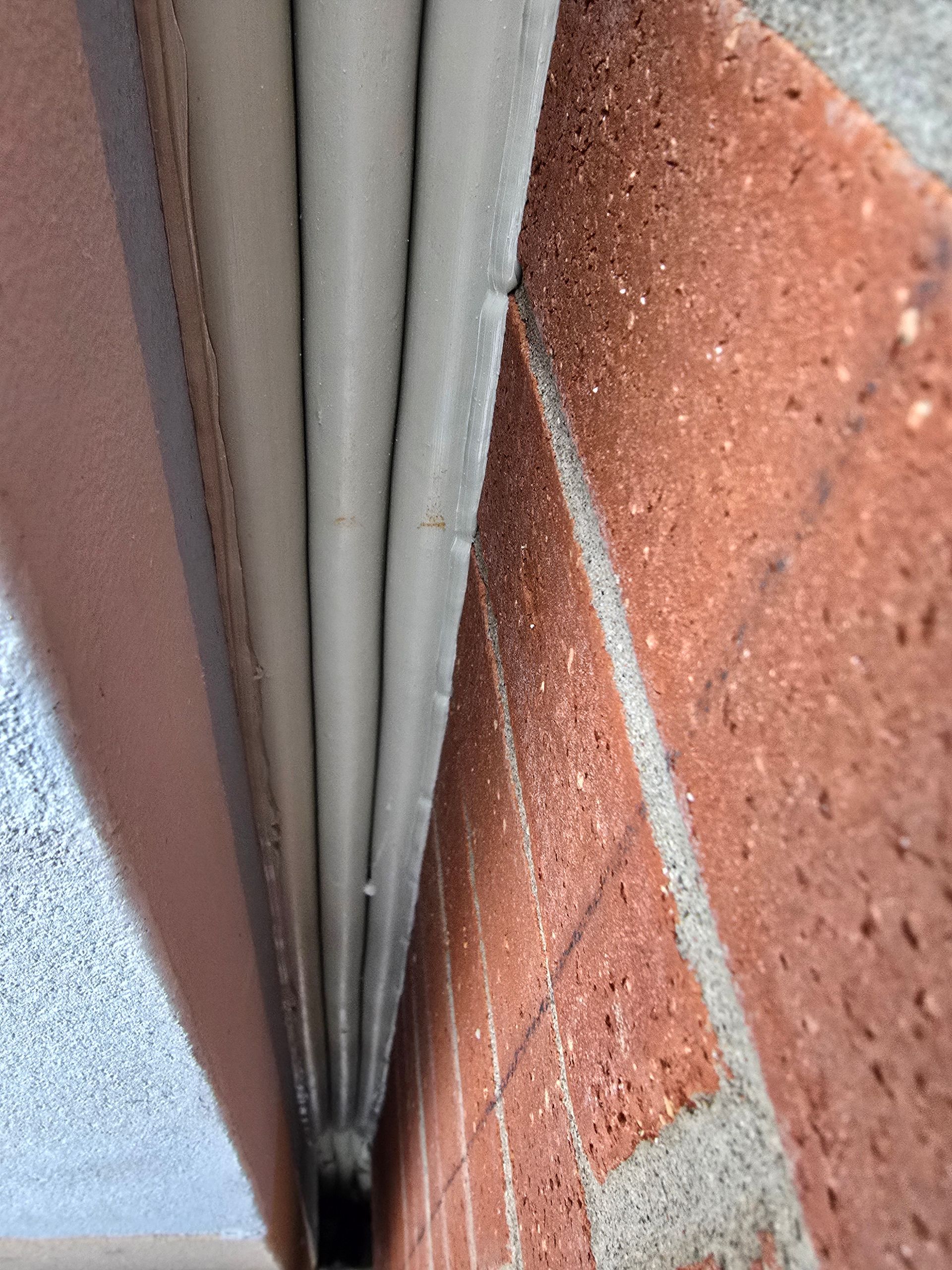
Many heritage homes in Hamilton feature sagging floor joists that have settled naturally over decades of use. Correcting these structural deflections is a mandatory part of our installation process in older neighborhoods. Once the new floor is perfectly set and grouted, our Baseboard Caulking Services provide the neat, professional finish that seals the room and protects against drafts.
Building a Flawless Finish
The visible beauty of your new floor relies entirely on the invisible preparation work sitting underneath the mortar. Refusing to cut corners on the subfloor guarantees a durable surface that will easily handle decades of heavy foot traffic. Reach out to our installation team to plan your upcoming renovation the right way from the ground up.
Share This Blog